
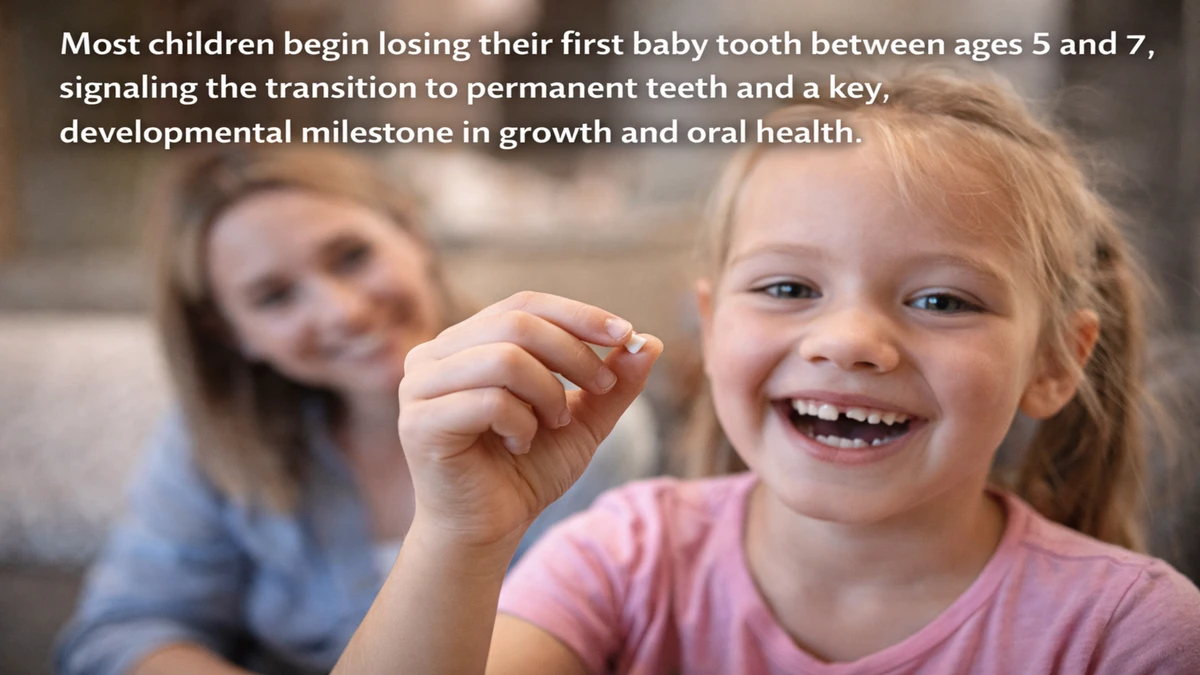
Most children lose their first tooth around the age of six, although it can happen anywhere between four and eight without signaling a problem. This early dental change marks the start of the transition from primary teeth to permanent adult teeth and reflects deeper biological processes unfolding beneath the gums. For families, it is often one of the first visible signs that a child is growing out of early childhood and entering a new stage of development. – when do kids lose their first tooth.
The process begins when permanent teeth start to form under the baby teeth, slowly dissolving their roots. This causes the baby tooth to loosen and eventually fall out, making space for the adult tooth to emerge. The timing varies based on genetics, general growth patterns, and overall health. Girls often begin slightly earlier than boys, and children frequently follow similar dental timelines to their parents.
This moment is not only biological but emotional. Children may feel proud, anxious, excited, or unsure, while parents often feel a mix of nostalgia and celebration. Understanding when this milestone typically occurs, why it happens, and how to support children through it helps transform a simple dental event into a reassuring and meaningful experience.
What Is the Baby Tooth Loss Process
Baby tooth loss, also known as exfoliation, is the natural process by which primary teeth fall out to make room for permanent ones. As the adult tooth develops beneath the baby tooth, it gradually absorbs the baby tooth’s root. Without a root anchoring it in place, the baby tooth becomes loose and eventually detaches.
This process typically begins in early elementary school years and continues through late childhood. During this time, children enter a phase called mixed dentition, when both baby and adult teeth are present at the same time. This transitional phase can last several years and represents a dynamic period of oral development. – when do kids lose their first tooth.
The shedding order of baby teeth usually mirrors the order in which they first appeared. Teeth that erupted earliest in infancy are typically the first to fall out. This pattern creates a predictable sequence that helps dental professionals track whether a child’s development is progressing within expected ranges.
Read: Average Calcium Score 60 Year-Old: What the Numbers Reveal About Heart Disease Risk
Typical Timeline and Order of Losing Teeth
The age at which children lose each baby tooth follows a general pattern, though individual variation is common. The first teeth to be lost are usually the lower central incisors, followed by the upper front teeth, then side teeth and molars over the next several years.
| Tooth Type | Typical Age Range for Loss |
|---|---|
| Lower central incisors | 6–7 years |
| Upper central incisors | 6–7 years |
| Lateral incisors | 7–8 years |
| First molars | 9–11 years |
| Canines | 9–12 years |
| Second molars | 10–12 years |
This progression continues until most or all baby teeth are gone by around age twelve or thirteen, leaving only permanent teeth behind.
Why Timing Varies Among Children
Dental development is influenced by multiple factors. Genetics plays a major role, meaning children often follow similar timelines to their parents. General growth patterns, nutrition, and health also affect the pace of tooth loss. – when do kids lose their first tooth.
Girls often lose teeth slightly earlier than boys, reflecting broader developmental trends. Certain medical conditions or nutritional deficiencies can delay or accelerate dental development, though this is uncommon. Oral habits such as thumb-sucking can affect tooth positioning but usually do not dramatically change the overall timing.
Variation within a few years of the average is normal and typically not a cause for concern unless accompanied by pain, infection, or the absence of any loosening by age eight.
What Happens As Permanent Teeth Emerge
As baby teeth fall out, permanent teeth begin to erupt into the spaces left behind. The first permanent molars often appear around the same time as the first baby tooth loss, even though they do not replace baby teeth and emerge at the back of the mouth.
The mixed dentition phase continues throughout elementary school and early adolescence. By around age thirteen, most children have lost all twenty baby teeth and have a full set of permanent teeth, excluding wisdom teeth, which usually emerge in late adolescence or adulthood.
This transition supports stronger chewing ability, clearer speech, and a more mature facial structure as the jaw and bite evolve with growth.
Dental Care During the Transition
Maintaining good oral hygiene remains essential throughout this period. Loose teeth may feel sensitive, and gums can become tender as teeth shift and erupt. Gentle brushing and flossing help prevent cavities in both baby and permanent teeth.
Regular dental checkups allow professionals to monitor tooth eruption patterns, spacing, and alignment. Early detection of issues such as crowding or missing teeth can allow for timely intervention and orthodontic planning if needed.
How to Support a Child Through First Tooth Loss
Children respond emotionally to losing their first tooth in different ways. Some feel proud and excited, while others feel nervous or afraid. Adults can help by explaining the process in simple terms, celebrating the milestone, and maintaining a calm and supportive presence.
Simple rituals such as the Tooth Fairy or placing the tooth in a special container can make the experience feel positive and memorable. Reassurance helps children understand that what is happening is normal and healthy.
When to Consult a Dentist
While variation is normal, certain signs may warrant a dental evaluation. These include no teeth loosening by age eight, teeth falling out very early due to injury or decay, permanent teeth erupting before baby teeth fall out, or pain and swelling around the gums.
A pediatric dentist can assess whether dental development is within expected limits and recommend monitoring or treatment if necessary.
Key Milestones in Dental Transition
| Stage | Typical Age |
|---|---|
| First baby tooth eruption | 6–10 months |
| All baby teeth present | 2–3 years |
| First baby tooth lost | 5–7 years |
| Mixed dentition phase | 6–12 years |
| All baby teeth replaced | 12–13 years |
These stages help families anticipate what comes next and understand where their child is within the broader pattern of development.
Expert Voices
Dental professionals emphasize that timelines are flexible and individual. They note that sequence matters more than exact age and that overall oral health is more important than hitting specific milestones on schedule.
Experts also stress that retained baby teeth or early tooth loss can sometimes signal alignment issues or missing permanent teeth, making regular dental monitoring valuable during childhood.
Takeaways
• Most children lose their first tooth around age six
• The normal range extends roughly from ages four to eight
• Lower front teeth usually fall out first
• Permanent molars often appear around the same time
• Mixed dentition lasts several years
• Variations in timing are usually normal
Conclusion
The loss of a first tooth is a small event with deep meaning, marking the intersection of biological growth and emotional development. While the typical age is around six, the broader range reflects the individuality of each child’s growth journey. Understanding the process, the timeline, and the emotional dimensions allows families to approach this milestone with confidence rather than concern.
As children grow, their changing smiles become visible signs of internal transformation. Supporting them through these changes with patience, education, and care helps reinforce positive attitudes toward health and growth that can last a lifetime.
FAQs
At what age do kids usually lose their first tooth?
Most children lose their first tooth around age six, though the normal range spans roughly from four to eight.
Which tooth usually falls out first?
The lower central incisors are most commonly the first teeth to be lost.
Is it normal for timing to vary?
Yes, variations of a few years are normal and usually not a concern.
What happens after the first tooth falls out?
Permanent teeth begin erupting, and the mixed dentition phase continues for several years.
When should a dentist be consulted?
If no teeth loosen by age eight, or if there is pain, swelling, or very early loss.
REFERENCES
- American Dental Association. (n.d.). Dental eruption and exfoliation ages. Retrieved from https://en.wikipedia.org/wiki/Deciduous_teeth
- Clinton Kids Dentist. (2024, Jan 15). When do children start losing teeth? Retrieved from https://www.clintonkidsdentist.com/when-do-children-start-losing-teeth/
- Happy Campers ABQ. (2025, Jul 11). When baby teeth fall out and in what order? Retrieved from https://happycampersabq.com/blog/when-baby-teeth-fall-out/
- HealthPartners. (n.d.). When do baby teeth fall out? Retrieved from https://www.healthpartners.com/blog/when-do-kids-lose-their-first-tooth/
- Sheffield Children’s NHS Foundation Trust. (n.d.). Looking after your teeth. Retrieved from https://www.sheffieldchildrens.nhs.uk/patients-and-parents/looking-after-your-teeth/