
Key Takeaways:
- Regular cleaning with mild soap and water preserves soapstone’s natural beauty.
- Applying mineral oil enhances the stone’s patina and protects against minor scratches.
- Using cutting boards and trivets prevents surface damage.
- Promptly addressing scratches and stains maintains the countertop’s appearance.
Understanding Soapstone’s Unique Qualities
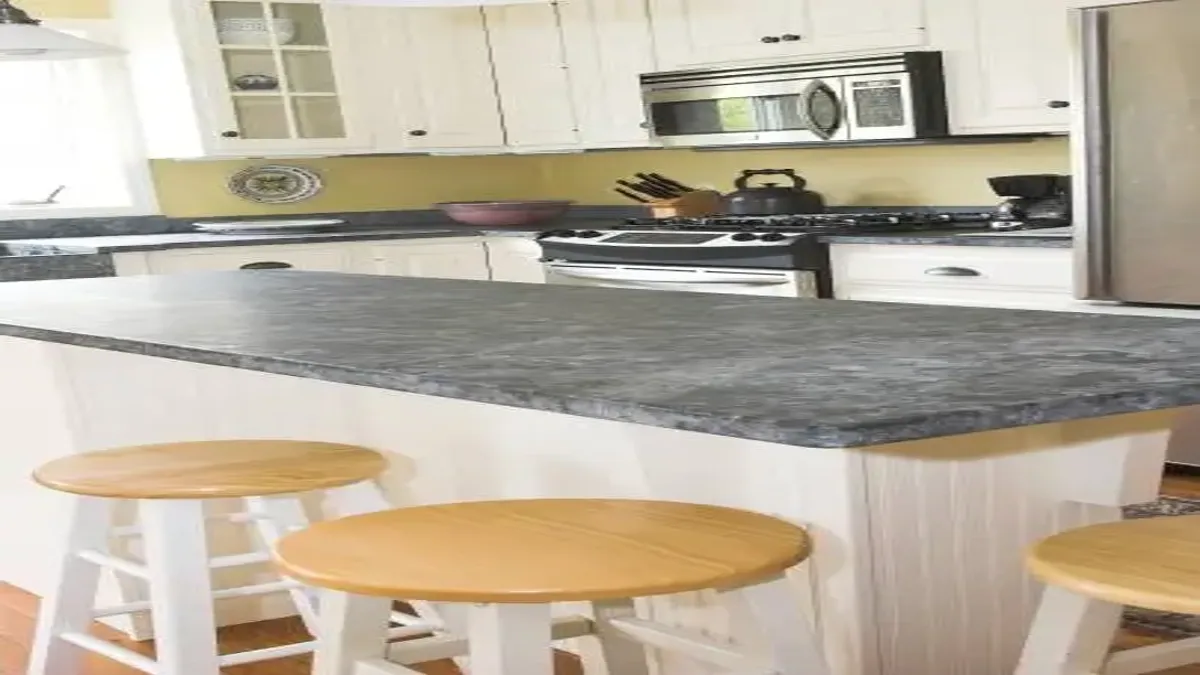
Soapstone countertops are a staple in many kitchens, admired for their timeless aesthetic and practical features, especially in places like Wheeling, WV, where homeowners often appreciate materials that balance beauty and durability. Unlike more porous stones, soapstone countertops Wheeling WV are dense and nonporous, making them highly resistant to stains and bacteria. This unique property is a major reason many homeowners choose soapstone countertops. Despite its durability, soapstone’s softness requires specific care to avoid cosmetic damage and maintain its smooth, elegant surface.
With its naturally matte finish and subtle veining, soapstone develops a natural patina over time. This evolving surface is part of its appeal, but it also underscores the importance of proper maintenance to ensure the countertop ages beautifully rather than appearing neglected or worn.
Daily Cleaning Practices
Routine cleaning is the cornerstone of soapstone countertop care. Each day, wipe the surface with a soft cloth or sponge and a mild dish soap and warm water mixture. This gentle approach keeps the countertop free from grime while preserving its delicate finish. Avoid using harsh or abrasive cleaners or scrubbers, as they can leave scratches that mar the surface.
To minimize water spots and streaks, dry the countertop thoroughly after each cleaning session. Consistent, low-impact cleaning keeps your countertops looking their best, day after day.
Enhancing the Patina with Mineral Oil
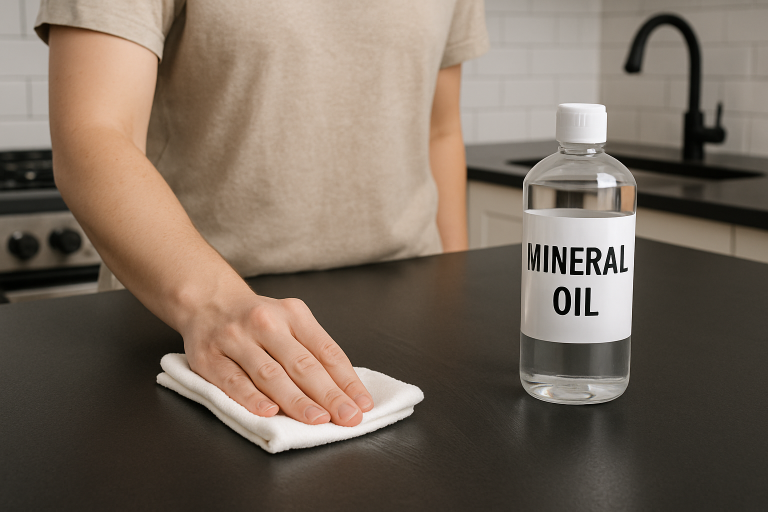
One of the most distinctive traits of soapstone is the gradual darkening and softening of its hue—a process known as patination. Applying mineral oil expedites and evens out this natural transformation. During the first month after installation, oil your countertop weekly to help it develop an even patina. Once the color stabilizes, reduce frequency to once monthly or as needed.
Mineral oil also helps mask fingerprints and minor scratches, giving the surface a richer, unified look. Pour a small amount of food-grade mineral oil onto a soft cloth and rub it evenly over the surface. After about 30 minutes, use a clean cloth to buff the countertop and remove excess oil.
Preventing Scratches and Damage
Despite its heat resistance, soapstone is softer than granite or quartz, making it susceptible to scratches and nicks from sharp objects. Always use cutting boards when preparing food, and avoid dragging heavy cookware or appliances across the countertop. Place trivets or hot pads under hot skillets and pots to minimize the risk of thermal shock or light surface blemishes.
Should scratches or small chips occur, they are often easy to repair at home. Use fine-grit sandpaper to smooth out any imperfections gently, then clean the area and reapply mineral oil to restore the finish.
Addressing Stains and Spills
Soapstone’s remarkable non-porosity means it inherently resists staining, even when exposed to common kitchen culprits like red wine, coffee, or acidic foods. However, it is wise to promptly wipe up spills to preserve its natural patina and prevent persistent dull spots. If a stubborn mark appears, lightly sand the affected area using fine-grit sandpaper, clean it, and finish by reapplying mineral oil.
Periodically check your countertop for water rings or dull spots—these subtle changes are natural but can be minimized with quick attention and routine oiling.
Long-Term Maintenance Tips
Vigilance and routine care are key to long-lasting soapstone beauty. Monitor your countertop regularly for signs of wear, scratches, or dulling. Maintain its patina by oiling as needed and noting any areas that appear lighter or more faded than the rest. Avoid placing acidic foods and harsh chemicals directly on the surface to prevent damage to the stone’s integrity and natural luster over time.
Consider periodic deep cleans and minor spot repairs to keep your countertops looking as good as the day they were installed. Treating your soapstone surfaces with respect ensures years of functional, attractive use.
Common Mistakes to Avoid
Regular missteps can diminish the charm and longevity of soapstone countertops. Avoid using acidic cleaners such as vinegar or lemon-based solutions, as these can etch or discolor the stone. Never cut food directly on your countertop—always use a cutting board to protect the surface from knife marks and accidental chips.
Be cautious with heavy or sharp objects, and do not expose the stone to harsh chemicals or abrasive cleaning materials. These basic precautions protect your investment and help maintain soapstone’s unique character.
Conclusion
Soapstone countertops effortlessly combine beauty and resilience, making them an enduring favorite in kitchens. With mindful daily cleaning, regular mineral oil applications, and attention to best practices, your soapstone surfaces will remain both beautiful and practical for many years. By avoiding common mistakes and handling small repairs quickly, you can ensure your countertop retains its inviting, timeless appeal and continues to enhance your home’s aesthetic.