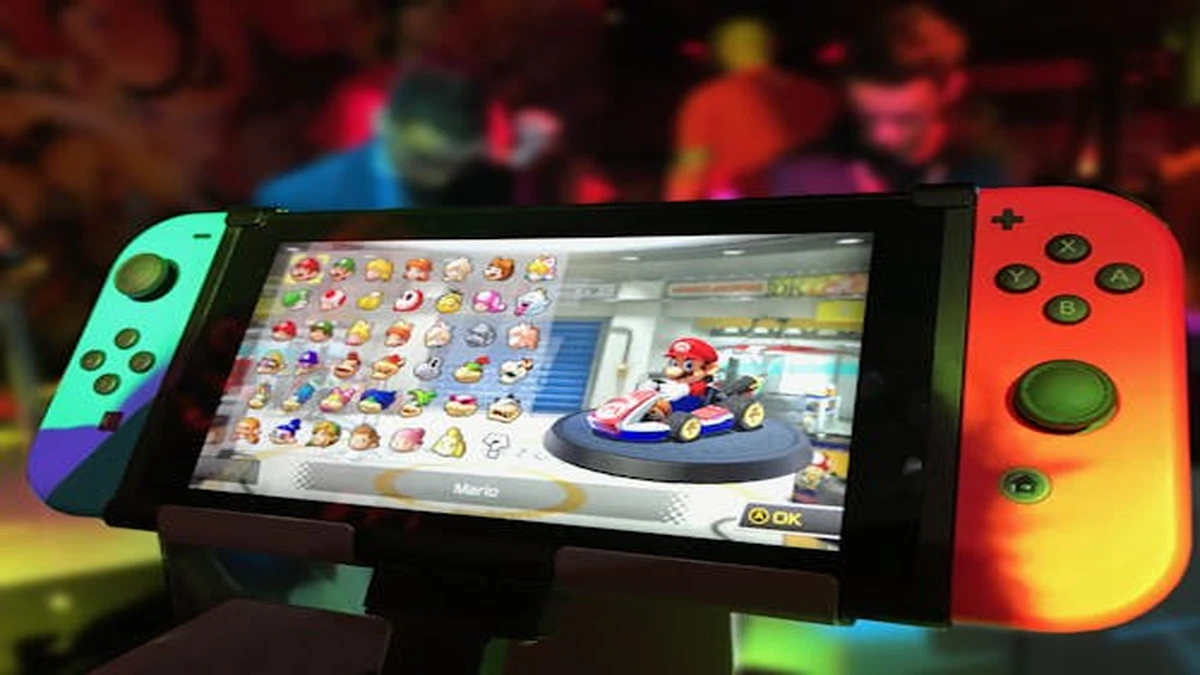
NXBrew, the intent is direct and practical: understanding what the platform was, how it functioned, and why it became so prominent and contentious within the Nintendo Switch community. NXBrew emerged as a third-party online hub associated with Nintendo Switch homebrew, custom firmware tools, and unofficial game file distribution. It gained attention by offering centralized access to software that allowed users to bypass Nintendo’s restrictions and run unsigned code on their consoles, effectively expanding the Switch beyond its intended design.
At its core, NXBrew symbolized two opposing ideas. For enthusiasts, it represented creative freedom: the ability to run homebrew applications, emulators, and custom tools that transformed the Switch into a multifunction device. For Nintendo and rights holders, it represented a threat to intellectual property, platform security, and the commercial ecosystem supporting game development. This duality placed NXBrew squarely in a legal and ethical gray zone.
As Nintendo intensified enforcement through takedowns and domain actions, NXBrew became emblematic of a recurring cycle in digital culture platform control followed by community resistance. This article explores NXBrew’s role within the Switch homebrew ecosystem, explaining its technical foundations, community dynamics, legal risks, and lasting impact on how gamers think about ownership, customization, and responsibility.
What NXBrew Was and How It Operated
NXBrew functioned primarily as a repository-style website that indexed and linked to files intended for use on Nintendo Switch consoles running custom firmware. The content associated with the platform ranged from open-source homebrew applications to tools enabling firmware modification, as well as links facilitating access to commercial game backups in formats commonly used on modified consoles.
Homebrew applications themselves are not inherently illegal. Many are independently developed programs—utilities, indie games, emulators, and interface enhancements—created by hobbyists and programmers exploring the Switch’s hardware capabilities. NXBrew aggregated many of these projects, lowering the barrier to entry for users curious about console modification.
However, NXBrew’s notoriety stemmed largely from its association with NSP and XCI files representing commercial Nintendo Switch games. These files, when distributed without authorization, infringe copyright law. By hosting or linking to such materials alongside legitimate homebrew, NXBrew blurred the line between community-driven innovation and outright piracy, drawing sustained scrutiny from rights holders.
Custom Firmware and the Technical Foundation
To understand NXBrew’s significance, it is essential to understand custom firmware. The Nintendo Switch runs a closed operating system designed to execute only Nintendo-approved software. Custom firmware, often abbreviated as CFW, modifies or circumvents these restrictions, allowing the console to run unsigned code.
Installing CFW typically requires exploiting hardware vulnerabilities or software flaws present in certain Switch models or firmware versions. Once installed, CFW opens the door to homebrew applications, file managers, emulators, and unofficial installers. Tools commonly referenced in the community manage package installation and system navigation, creating an alternative software ecosystem layered on top of Nintendo’s hardware.
NXBrew’s role was not to develop these tools directly, but to centralize access to them. By aggregating files and guides, the platform simplified a process that otherwise required navigating multiple forums and repositories. This convenience accelerated adoption but also magnified legal and security concerns.
The Legal Landscape and Platform Enforcement
Nintendo has historically enforced strict controls over its hardware and software ecosystems. Its licensing agreements prohibit unauthorized modification, and copyright law protects commercial games from unauthorized distribution. As a result, platforms like NXBrew faced repeated legal pressure.
Domain takedowns and forced migrations became a defining feature of NXBrew’s existence. Each enforcement action reinforced the precarious position of sites hosting or linking to copyrighted material. While some users argued that backing up legally owned games constituted fair use, courts and rights holders have generally rejected distribution-based interpretations of that argument.
Importantly, the presence of legal homebrew content did not shield NXBrew from enforcement. Once a platform becomes associated with piracy, legitimate elements often become collateral damage. This reality highlights the difficulty of maintaining mixed-use repositories within tightly controlled digital ecosystems.
Community Culture and Shared Knowledge
NXBrew was not merely a website; it was embedded within a broader culture of collaboration and shared expertise. Users exchanged knowledge across forums, chat servers, and social platforms, offering tutorials, troubleshooting advice, and warnings about risks.
This community culture emphasized experimentation and learning. Many users were motivated less by free access to games and more by curiosity—exploring system internals, building tools, and adapting hardware for new purposes. Custom themes, indie homebrew games, and productivity utilities reflected this creative impulse.
At the same time, the community was divided. Ethical debates emerged around piracy’s impact on developers and the sustainability of the gaming industry. Some advocated strict separation between homebrew and pirated content, while others viewed the ecosystem as inseparable. These internal tensions mirrored the broader societal debate about digital ownership.
Risks to Users and Devices
Engaging with platforms like NXBrew carried tangible risks. One of the most immediate was security. Third-party repositories often relied on advertising networks and redirect services that exposed users to malware, phishing attempts, or compromised downloads. Without centralized vetting, users bore responsibility for evaluating file safety.
Another significant risk was enforcement at the device level. Nintendo actively monitors online services for unauthorized firmware. Consoles detected running modified software or pirated games risk permanent bans from online features, including multiplayer access and digital storefronts. Such bans are typically irreversible.
Additionally, installing custom firmware voids manufacturer warranties and increases the risk of system instability. Failed updates, incompatible tools, or corrupted storage can render consoles unusable. These risks underscore why many community guides emphasize caution and informed decision-making.
Legal and Ethical Content Distinctions
Homebrew Content Classification
| Content Type | Status | Explanation |
|---|---|---|
| Open-source homebrew apps | Legal | Independently developed software |
| Emulators | Legal | Software only; ROM distribution is illegal |
| Custom firmware tools | Ambiguous | Legal to develop, restricted by platform terms |
| Game backup files | Illegal | Unauthorized copies of commercial titles |
| Productivity utilities | Legal | Non-infringing applications |
This distinction illustrates why platforms like NXBrew struggled to exist without controversy. Combining legal and illegal content under one roof invited enforcement that ultimately affected all users.
How Firmware Modification Typically Worked
Simplified Process Overview
| Phase | Description |
|---|---|
| Research | Identify compatible hardware and firmware |
| Exploitation | Use known vulnerabilities |
| Installation | Deploy custom firmware |
| Management | Install apps and tools |
| Maintenance | Avoid official updates that close exploits |
These steps highlight why community knowledge was essential. Firmware modification is not plug-and-play; it requires technical literacy and ongoing caution.
Expert Perspectives on Console Modding
Legal scholars consistently emphasize that copyright law prioritizes distribution control. Unauthorized sharing of commercial games remains infringement regardless of user intent. This legal clarity explains the persistence of takedowns.
Industry analysts note that console manufacturers view modding as both a financial and security threat. Unauthorized software increases malware risk and undermines curated ecosystems designed to protect consumers and developers alike.
Security researchers warn that modified devices often lack critical patches, making them more vulnerable to exploits. In this sense, platform restrictions are framed not only as control mechanisms but also as protective measures.
Ethical Alternatives and Responsible Exploration
For users interested in expanding their Switch experience responsibly, alternatives exist. Open-source homebrew projects hosted on developer platforms provide legal avenues for experimentation. Indie games available through official marketplaces offer creative diversity without legal risk.
Emulation, when used with legally obtained software, remains a lawful way to preserve and explore gaming history. Community forums dedicated to ethical modding emphasize separating creative exploration from piracy, encouraging respect for intellectual property while still engaging with hardware experimentation.
Takeaways
- NXBrew was a prominent hub associated with Switch homebrew and unofficial software.
- Its popularity stemmed from convenience and centralized access.
- Legal pressure focused on unauthorized game distribution.
- Users faced risks including malware, bans, and warranty loss.
- The platform reflected deeper debates about ownership and control.
- Ethical homebrew alternatives remain available outside piracy-linked sites.
Conclusion
NXBrew’s story encapsulates a recurring conflict in digital culture: the tension between user autonomy and platform governance. For many, it symbolized creative empowerment—unlocking a device’s potential beyond manufacturer limits. For others, it represented unchecked piracy and security risk. The platform’s rise and eventual suppression illustrate how technological curiosity, legal frameworks, and corporate enforcement collide in modern gaming ecosystems. As consoles become more integrated and controlled, these debates will persist, challenging players, developers, and companies to reconsider what ownership truly means in a digital age.
FAQs
What was NXBrew used for?
It was used to access homebrew apps, firmware tools, and unofficial game files for modified Nintendo Switch consoles.
Was NXBrew legal?
Some content was legal, but distributing copyrighted games without authorization is illegal.
Can using NXBrew get a Switch banned?
Yes, consoles running unauthorized firmware risk permanent online bans.
Is homebrew itself illegal?
No, homebrew software is legal; issues arise when it is combined with piracy.
Are there safer alternatives to NXBrew?
Yes, open-source repositories and official marketplaces offer legal options.
References
- Nintendo Co., Ltd. (n.d.). Nintendo Switch end user license agreement. https://www.nintendo.com/consumer/info/en_na/docs.jsp
- Electronic Frontier Foundation. (2020). Video game preservation and the DMCA exemption. https://www.eff.org/issues/video-game-preservation
- GBATemp Network. (n.d.). Nintendo Switch hacking and homebrew documentation. https://gbatemp.net/categories/nintendo-switch.283/
- Ginsburg, J. C. (2018). Copyright, piracy, and digital distribution. Columbia Law Review. https://www.columbialawreview.org/content/copyright-and-control-in-the-digital-age/
- Wired. (2019, September 20). Why game console hacking never really dies. https://www.wired.com/story/game-console-hacking-history/