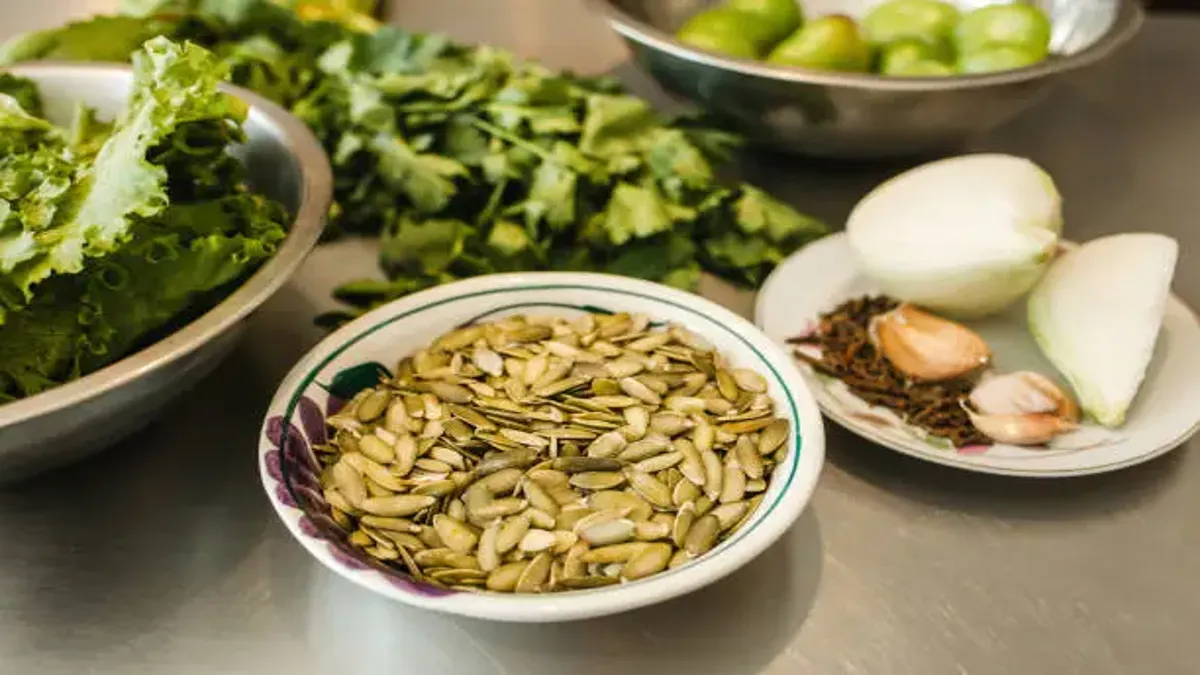
Pepitas, those glossy green kernels tucked inside certain pumpkins, belong to a long lineage of foods that have nourished, healed, and inspired communities for generations. Within the first hundred words, the search intent is clear: pepitas are edible, hull-less pumpkin seeds known for their rich nutrition, smooth texture, and wide culinary uses. They differ from typical pumpkin seeds because they lack the fibrous shell, making them easier to eat raw, roast, grind, or blend into countless recipes.
Across cultures, pepitas appear in sauces, snacks, oils, and rituals, carrying thousands of years of agricultural memory. They are dense with plant-based protein, healthy fats, and essential minerals like magnesium, zinc, and iron. Their natural balance of nutrients contributes to heart health, bone strength, digestive wellness, and even sleep support. While far from a miracle cure, pepitas stand out because they merge everyday usability with genuine nutritional depth.
As global attention shifts toward whole foods and traditional ingredients, pepitas have stepped into the spotlight—not as exotic discoveries, but as familiar seeds with a long and meaningful story.
Origins and Cultural Roots
Pepitas do not emerge from just any pumpkin; they come from specific hull-less varieties that naturally shed the rigid outer shell that surrounds conventional pumpkin seeds. These varieties historically trace back to regions of the Americas where Indigenous communities first cultivated pumpkins and squashes thousands of years ago. Pepitas served both practical and ceremonial purposes, offering concentrated nourishment and medicinal potential for ailments involving digestion, urinary health, and general vitality.
When pumpkins journeyed across oceans during global trade expansions, their seeds traveled with them. Over time, farmers bred certain strains—like the oil-rich Styrian pumpkins of Central Europe—specifically for their soft-shelled seeds. Today, those green kernels form the basis of both traditional dishes and contemporary wellness trends, connecting ancient cultivation to modern kitchens.
Nutritional Structure and Composition
Pepitas earn their reputation as a nutrient-dense food for good reason. Though compact, each kernel houses healthy unsaturated fats, plant-based proteins, and a spectrum of essential minerals. Magnesium plays a central role in muscle and nerve function; zinc contributes to immune balance; iron supports hemoglobin and oxygen transport. Added to these are antioxidants—like natural vitamin E compounds—which help neutralize oxidative stress in the body.
This combination places pepitas among foods that deliver meaningful nourishment in modest amounts. Their balance of macronutrients allows them to serve as a snack, a garnish, or a foundational ingredient without overwhelming calorie counts or excessive additives.
Table: Approximate Nutrient Snapshot of Hulled Pepitas
| Nutrient | Approximate Profile* |
|---|---|
| Protein | High relative to seed size |
| Healthy fats | Rich in unsaturated fats |
| Minerals | Strong source of magnesium, zinc, iron, phosphorus |
| Antioxidants | Natural tocopherols and phenolic compounds |
| Fiber | Moderate depending on preparation |
*Values vary by cultivar, preparation, and serving size.
Health Benefits and Functional Potential
The benefits of pepitas extend beyond simple nutrition. Their antioxidants help limit the effects of free radicals, contributing to lower inflammation and improved cellular integrity. Their magnesium levels support cardiovascular balance by stabilizing blood pressure. Unsaturated fats help promote healthier cholesterol patterns. Pepitas also contain tryptophan, an amino acid linked to improved sleep cycles and mood regulation when paired with a balanced diet.
For bone and skeletal health, pepitas supply minerals essential for bone matrix formation and tissue repair. Some traditional uses—and emerging scientific discussions—point toward potential support for prostate and urinary health, tying modern understanding back to Indigenous knowledge systems.
Pepitas qualify as a functional food precisely because these benefits go beyond calories: they support preventive wellness when integrated consistently and moderately.
Comparing Pepitas and Whole Pumpkin Seeds
Pepitas differ markedly from their shell-on counterparts. While whole pumpkin seeds contain more fiber due to their outer hull, pepitas offer enhanced tenderness, concentrated minerals, and easier culinary integration.
Table: Pepitas vs. Pumpkin Seeds
| Feature | Pepitas (Hull-less) | Whole Pumpkin Seeds |
|---|---|---|
| Texture | Smooth, soft, edible raw | Tough, fibrous outer shell |
| Culinary flexibility | Easily blended, sprinkled, ground | Typically roasted whole |
| Nutrient density | High mineral and fat concentration | Higher overall fiber |
| Traditional roles | Used in sauces, moles, pestos | Common as roasted snacks |
Culinary Versatility: From Ancient Sauces to Modern Bowls
Pepitas appear across a wide culinary landscape. In Mesoamerican cooking, ground pepitas thicken sauces like Sikil Pak, providing earthy richness. Pipian, a famed sauce in Mexican cuisine, depends on pepitas for texture and flavor.
Today, pepitas travel far beyond their traditional origins. They add crunch to salads, depth to pesto, protein to granola, and stability to energy bars. Vegans and individuals with nut allergies often use pepita butter as a substitute for almond or peanut spreads. Roasted pepitas—with a touch of oil and seasoning—remain a beloved snack.
Their mild flavor makes them adaptable: sweet, savory, raw, roasted, blended, or whole. Few ingredients are as flexible across cooking styles.
Expert Reflections on Pepitas’ Cultural and Nutritional Significance
Chefs, nutritionists, and cultural food scholars continue to highlight pepitas’ unique place in the food world. Several emphasize that pepitas are a bridge between Indigenous culinary practices and global food innovation. Their ability to deliver nutrients without overwhelming flavor makes them essential for plant-forward diets. Others note that their mineral density helps fill nutritional gaps in communities where access to diverse foods is limited.
Throughout food culture, pepitas represent both resilience and reinvention—a traditional ingredient that thrives in modern cuisine.
Practical Considerations and Moderation
Despite their benefits, pepitas should be enjoyed mindfully. They are calorie-dense, and roasted versions may come heavily salted or flavored, which can undermine their natural advantages. Raw or lightly roasted seeds offer the best balance of nutrition and flavor.
Some individuals may experience mild seed allergies; gradual introduction is advisable. Proper storage—cool, airtight environments—helps preserve their oils and prevent rancidity.
Takeaways
- Pepitas are hull-free pumpkin kernels with deep cultural roots and versatile culinary uses.
- They provide protein, healthy fats, and essential minerals beneficial for overall wellness.
- Their antioxidants contribute to reduced inflammation and improved cellular protection.
- Pepitas function both as a traditional ingredient and a modern nutrient-dense food.
- Moderation is key due to their calorie density.
- Their adaptability makes them suitable for snacks, sauces, baked goods, and blended spreads.
Conclusion
Pepitas carry a rich story—originating from early agriculture in the Americas, shaped by Indigenous knowledge, and embraced by global food cultures seeking both nourishment and depth of flavor. Their seamless blend of history and nutrition elevates them beyond typical pantry staples.
In modern cooking, pepitas offer a practical and meaningful way to fold ancient traditions into everyday meals. They represent sustainable eating: plant-based, widely adaptable, and nutritionally impactful. When eaten as part of a balanced diet, they provide steady, holistic benefits rather than miraculous promises. Pepitas remind us that some of the most powerful foods remain the simplest—small seeds with long histories, helping nourish lives one handful at a time.
FAQs
What are pepitas made from?
Pepitas are the naturally hull-less green kernels inside specific pumpkin varieties bred to shed their outer shell.
Are pepitas healthier than regular pumpkin seeds?
They offer more concentrated minerals and softer texture, while whole pumpkin seeds offer more fiber due to their shell.
Can pepitas support sleep?
Yes. Their natural tryptophan content may support better sleep when combined with balanced eating patterns.
Can I use pepitas instead of nuts?
Absolutely. They work well in pesto, butter spreads, granola, and baked goods.
How should pepitas be stored?
Keep them sealed, cool, and away from direct light to prevent their natural oils from turning rancid.
References
- Cleveland Clinic. (2024). Pumpkin seeds: 7 ways they support health. Cleveland Clinic Health Essentials. https://health.clevelandclinic.org/pumpkin-seeds-7-ways
- Harvard Health Publishing. (2023). Seed of the month: Pumpkin seeds. Harvard Medical School. https://www.health.harvard.edu/heart-health/seed-of-the-month-pumpkin-seeds
- Healthline. (2023). 11 benefits of pumpkin seeds. Healthline Media. https://www.healthline.com/nutrition/11-benefits-of-pumpkin-seeds
- Medical News Today. (2023). Pumpkin: Health benefits and nutritional breakdown. Medical News Today. https://www.medicalnewstoday.com/articles/279610
- Medical News Today. (2024). Pumpkin seeds: Benefits, nutrition, and uses. Medical News Today. https://www.medicalnewstoday.com/articles/303864
- Taste of Home. (2024). Pepitas: What they are and how to use them. Taste of Home. https://www.tasteofhome.com/article/pepitas
- University of Massachusetts Memorial Health. (2024). The health benefits of pumpkin. UMass Memorial Health. https://www.ummhealth.org/simply-well/the-health-benefits-of-pumpkin
- WebMD. (2024). Pumpkin seeds: Health benefits. WebMD Medical Reference. https://www.webmd.com/diet/health-benefits-pumpkin-seeds
- Verywell Health. (2024). Healthy ways to eat pumpkin seeds. Verywell Health.
https://www.verywellhealth.com/healthiest-ways-to-eat-pumpkin-seeds-11842391 - Wikipedia. (2024). Pumpkin seed. Wikipedia.
https://en.wikipedia.org/wiki/Pumpkin_seed